Science journalist
Recent Stories
Human waste could help tackle a global shortage of fertiliser
Tests on cabbage plants suggest fertilisers derived from human urine and faeces are safe and could help bring down food prices. Fertilisers derived from recycled human…
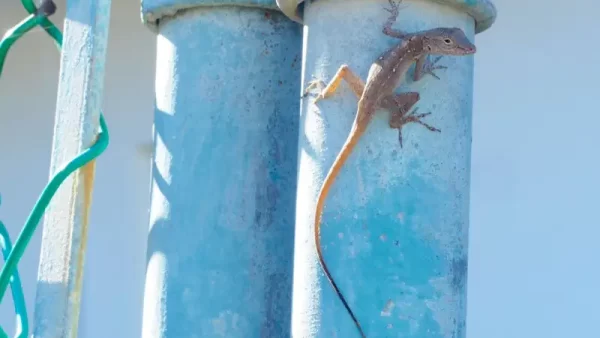
Urban lizards have gene mutations that help them adapt to city life
Anole lizards living in three cities in Puerto Rico have mutations in genes linked to immune function, limb and skin development, which may help them thrive…
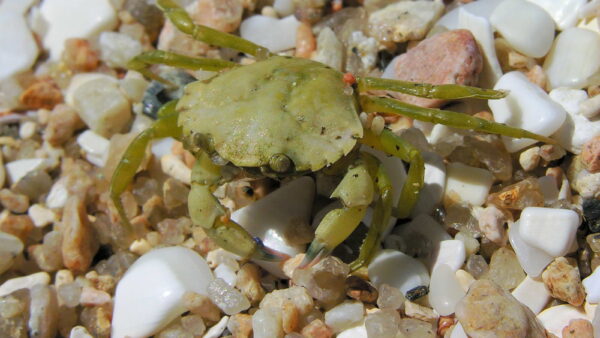
Ship Noise Kills Crabs’ Libidos
For green crabs, ship noise is like an anti–Barry White. The constant thrum of ship engines and other human noises can be a real nuisance for…

Nature Outlook: Children’s Health
Most parents want to protect their children from the variety of illnesses and experiences that can occur in the early years of life. Explores some of…
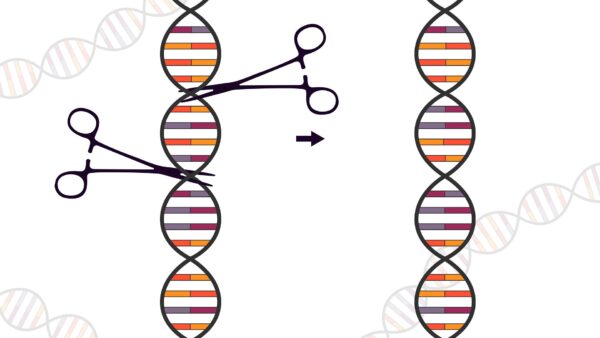
‘We’ve never had a technology like Crispr before’: gene-editing moves into the clinic
When Jennifer Doudna and Emmanuelle Charpentier revealed that the bacterial Crispr–Cas9 antiviral defence system could be reprogrammed to edit genomic DNA they could scarcely have imagined…
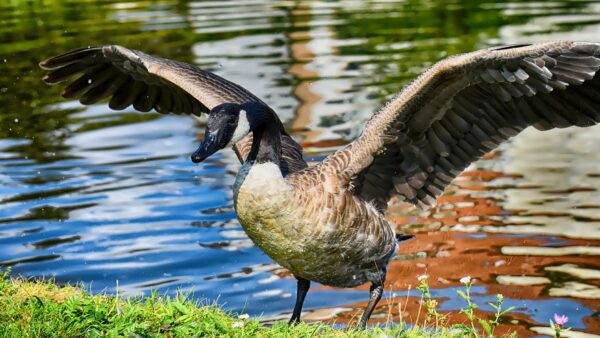
Canada geese return twice as quickly if you try to shoo them away
Geese chased out of a park in Chicago returned to the area twice as quickly on days when they were harassed, compared with days when they…